

Introduction
The migration crisis has been one of the most pressing challenges for the European Union (EU) in recent years, sparking intense debate and creating divisions both within the EU and between European countries and the rest of the world. As millions of people flee conflict, persecution, and poverty in their home countries, Europe finds itself in a position where it must balance its humanitarian obligations with the protection of its borders, security, and social stability. The EU’s migration policy is continually evolving, shaped by complex geopolitical factors, domestic pressures, and international agreements.
The Migration Crisis in Europe
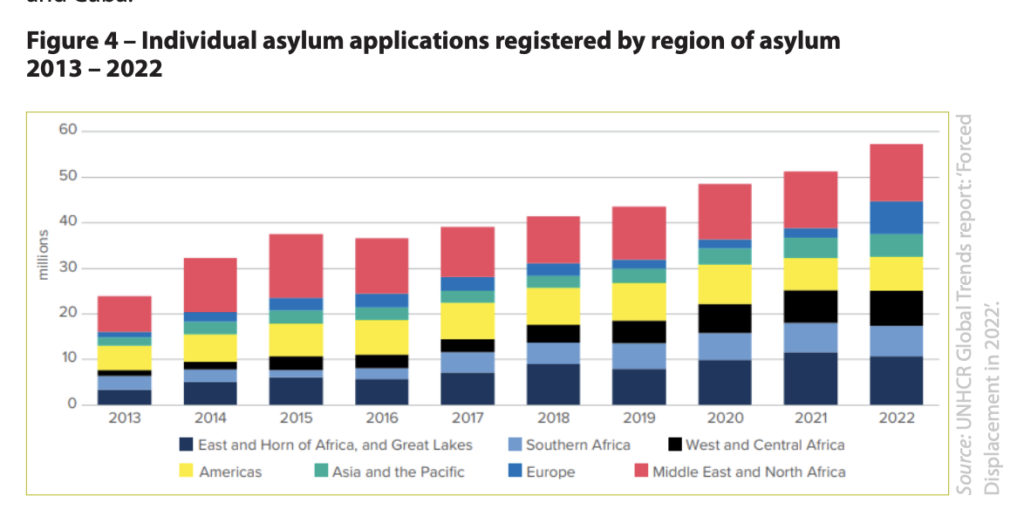
Europe has seen a dramatic increase in migration flows, especially since 2015, when over a million refugees and migrants arrived in the EU. This large influx was primarily driven by conflicts in the Middle East, particularly the Syrian Civil War, along with instability in Afghanistan, Iraq, and parts of Africa. The majority of migrants and refugees are from countries like Syria, Afghanistan, and Eritrea, seeking safety and a better life in Europe.
However, these migration waves have strained the EU’s ability to manage borders, process asylum claims, and provide adequate support for newcomers. Countries on the frontline, such as Italy, Greece, and Spain, have borne the brunt of arrivals, leading to tensions between member states over how to fairly distribute the responsibility for asylum seekers.
The EU’s Migration Policy: Key Elements
In response to the migration crisis, the EU has introduced several measures and frameworks aimed at managing the situation. These initiatives, while designed to address immediate concerns, reflect broader debates about Europe’s identity, security, and moral obligations.
1. The Common European Asylum System (CEAS)
The CEAS is the EU’s foundational framework for handling asylum applications and ensuring that asylum seekers are treated fairly across all member states. Under the CEAS, applicants for asylum must be processed within a set period, and they are entitled to legal protections while their cases are being reviewed. However, the system has faced criticism for being inefficient and inconsistent in implementation across member states. Some countries, particularly those at the EU’s borders, argue that the CEAS disproportionately burdens them with responsibility for large numbers of asylum seekers.
2. The Dublin Regulation
The Dublin Regulation is designed to ensure that asylum seekers are only processed in one EU country. It stipulates that the first country an asylum seeker enters should be responsible for examining their asylum application. However, this regulation has been highly controversial, as it often forces countries like Greece and Italy, which are the first entry points for many migrants, to shoulder the burden of asylum applications. Critics argue that this system puts excessive pressure on border states and fails to ensure a fair distribution of responsibilities.
3. Border Control and Security
The EU has also prioritized the strengthening of its external borders to prevent irregular migration and human trafficking. The European Border and Coast Guard Agency (Frontex) plays a central role in patrolling the EU’s borders, supporting member states in managing migration flows, and ensuring compliance with EU law. The EU has also cooperated with countries outside of Europe, particularly in North Africa and the Middle East, to curb irregular migration and increase border security. Agreements such as the EU-Turkey deal in 2016 have been instrumental in reducing the number of arrivals by sea, but they have also sparked significant criticism for outsourcing migration control to non-EU countries.
4. The Migration Pact of 2020
The European Commission introduced the New Pact on Migration and Asylum in 2020 to overhaul the migration system. The pact aims to strike a balance between solidarity and responsibility, ensuring that all member states share the burden of managing migration. It includes provisions for faster asylum procedures, a more equitable distribution of asylum seekers, and a stronger emphasis on returning migrants who do not meet the criteria for asylum. The pact has received mixed reactions; while some countries have expressed support, others, particularly those in Eastern Europe, have resisted proposals for mandatory migrant relocation.
Challenges Facing the EU’s Migration Policy
While the EU has made strides in addressing the migration crisis, there are several key challenges that it continues to face:
1. Divisions Among Member States
One of the main challenges for the EU is the lack of consensus among member states on how to handle migration. While some countries, particularly in Northern and Western Europe, advocate for more open borders and a humanitarian approach, others, particularly in Eastern Europe, have been resistant to accepting migrants. This division was particularly evident in the aftermath of the 2015 migration crisis, where countries like Hungary and Poland refused to participate in the EU’s relocation plan, citing concerns about security and the cultural impact of migration.
2. Human Rights Concerns
Human rights organizations have raised concerns about the treatment of migrants and refugees in the EU, especially at external borders. Reports of pushbacks, inadequate reception conditions, and detention of migrants in overcrowded camps have drawn criticism. The EU has faced pressure to ensure that its border control measures do not violate the rights of migrants, particularly vulnerable groups such as women and children.
3. The Rise of Populism and Anti-Immigrant Sentiment
The migration crisis has fueled the rise of populist and far-right political parties in many European countries. These groups often capitalize on fears about immigration, framing it as a threat to national identity and security. This has created significant political tension within the EU, as some governments have adopted increasingly restrictive policies, while others continue to push for more inclusive approaches. The growing anti-immigrant sentiment is complicating efforts to find a common EU-wide solution to the migration crisis.
The Future of the EU’s Migration Policy
The future of Europe’s migration policy hinges on its ability to reconcile competing interests and address the complex factors driving migration. To succeed, the EU must find a way to balance humanitarian obligations with security concerns, while ensuring that all member states share the responsibility of managing migration. This will likely require:
1. Strengthening Solidarity and Burden Sharing
There is a need for a more equitable distribution of migrants across the EU, ensuring that countries that are less impacted by migration contribute more to addressing the crisis. The EU must find solutions that promote fairness and solidarity among member states.
2. Addressing Root Causes of Migration
The EU must also focus on addressing the root causes of migration, such as conflict, poverty, and human rights violations in source countries. Through foreign policy, development aid, and cooperation with countries of origin and transit, the EU can help create conditions for safer and more stable environments, reducing the push factors for migration.
3. Improving Integration and Social Cohesion
Migration is not just about border control; it’s also about integration. Ensuring that migrants are integrated into European societies through language programs, education, and employment opportunities will reduce social tensions and promote long-term stability. The EU can play a pivotal role in promoting integration policies and fostering greater social cohesion.
Conclusion
The European Union’s migration policy is at a crossroads. As migration continues to shape the political landscape of Europe, the EU faces the challenge of balancing security, humanitarian values, and the protection of human rights. The future of the EU’s migration policy will depend on the union’s ability to adapt to changing global dynamics, foster solidarity among its members, and find sustainable solutions that respect the dignity and rights of all individuals, regardless of their origins. Only through a cooperative and comprehensive approach can Europe meet the challenges posed by migration and continue to be a beacon of hope for those seeking safety and opportunity.