
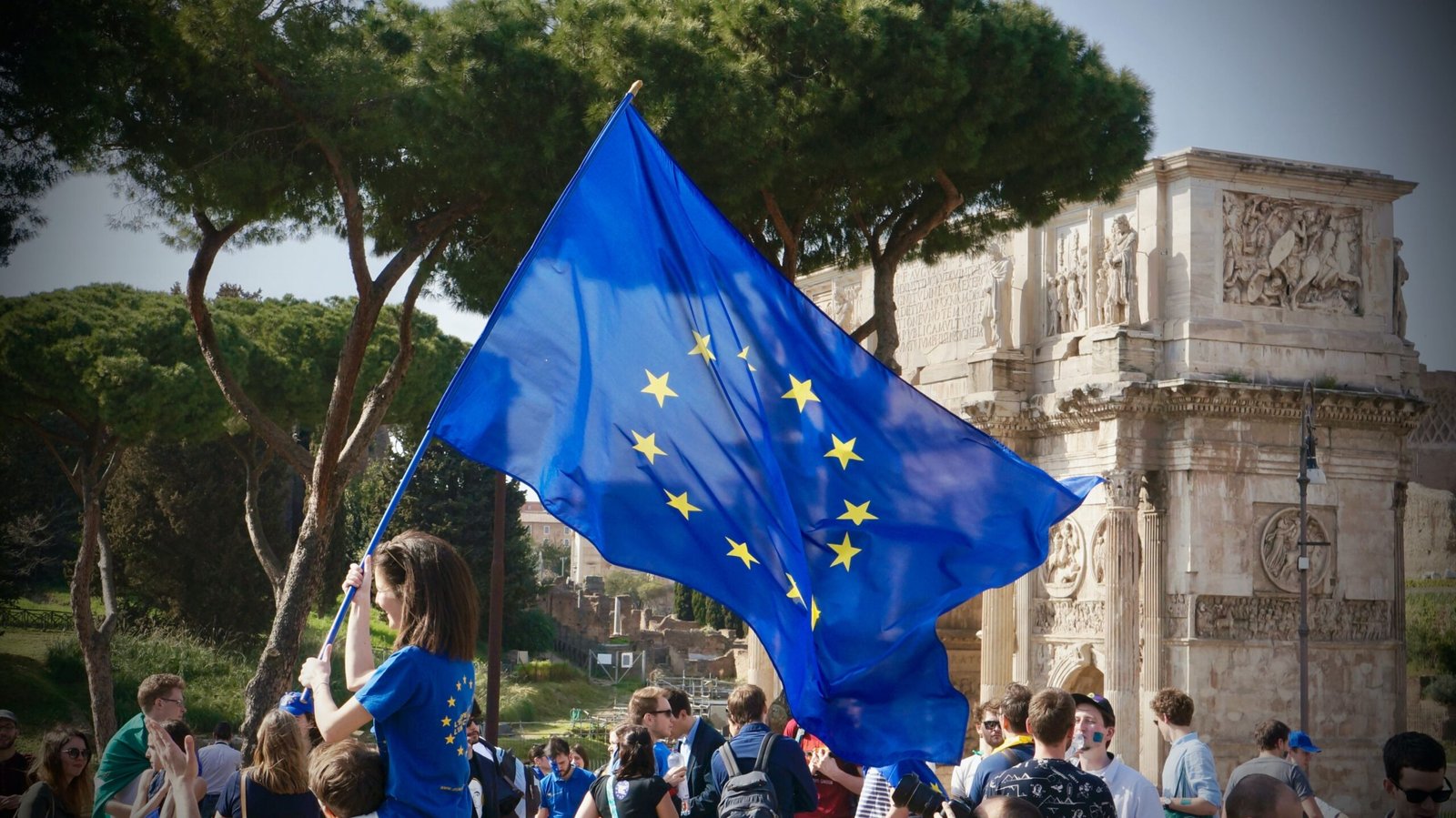
Europe stands at a crossroads. From climate change and migration to digital transformation and geopolitical instability, the continent faces a myriad of complex and intersecting challenges. The next decade will be critical for policymakers, civil society, and European citizens to shape a resilient, inclusive, and forward-looking society. This research paper explores several pressing issues that are likely to define the European agenda in the coming years, providing evidence-based analysis, policy recommendations, and expert insights.
1. Climate Change and the Green Transition
The European Union has positioned itself as a global leader in combating climate change through initiatives like the European Green Deal and Fit for 55. However, the transition toward a sustainable economy remains fraught with challenges.
Key Findings:
- According to the European Environment Agency (EEA), Europe experienced its warmest decade on record from 2011 to 2020.
- Over 75% of Europeans support stronger environmental protection policies (Eurobarometer, 2022).
Recommendations:
- Accelerate investment in renewable energy, especially wind and solar.
- Implement just transition strategies to support workers and communities dependent on fossil fuel industries.
- Strengthen cross-border climate adaptation initiatives.
Quote: “The Green Deal is not just a climate policy; it is a new growth strategy.” – Ursula von der Leyen, President of the European Commission
2. Digital Sovereignty and Data Protection
Europe has emphasized digital sovereignty as a core pillar of its strategic autonomy. Balancing innovation with data privacy, cybersecurity, and ethical concerns is vital.
Key Findings:
- The EU’s GDPR has become a global benchmark for data protection.
- Digital dependency on foreign (mainly U.S. and Chinese) tech providers remains high.
Recommendations:
- Invest in European cloud infrastructure (e.g., GAIA-X).
- Promote digital literacy and AI ethics education.
- Create public-private partnerships for innovation in key tech sectors.
Quote: “Europe must have mastery and ownership of key technologies.” – Thierry Breton, EU Commissioner for Internal Market
3. Migration, Integration, and Demographic Shifts
Europe’s demographic profile is aging, and migration continues to be a divisive yet essential element of societal renewal and economic sustainability.
Key Findings:
- The working-age population is projected to decline by 6.8% by 2050 (Eurostat).
- Migration remains essential to fill labor shortages, particularly in healthcare and agriculture.
Recommendations:
- Develop comprehensive, humane migration frameworks based on burden-sharing.
- Support integration through education, housing, and employment programs.
- Counter xenophobia with inclusive civic education.
Quote: “Migration is not a crisis to be solved but a reality to be managed.” – Filippo Grandi, UN High Commissioner for Refugees
4. Rule of Law and Democratic Backsliding
Challenges to judicial independence, press freedom, and civil liberties have emerged in parts of the EU, threatening the bloc’s foundational values.
Key Findings:
- The European Parliament invoked Article 7 proceedings against Hungary and Poland.
- Press freedom in several member states has deteriorated, according to Reporters Without Borders.
Recommendations:
- Strengthen enforcement mechanisms tied to EU funding.
- Support independent media and civil society watchdogs.
- Enhance civic education and youth participation in politics.
Quote: “Democracy cannot be taken for granted. It must be defended every day.” – David Sassoli, former President of the European Parliament
5. Health Resilience and Post-COVID Recovery
The COVID-19 pandemic exposed both vulnerabilities and strengths in European health systems. Future preparedness is now a top priority.
Key Findings:
- The EU coordinated vaccine procurement but faced initial distribution challenges.
- Mental health issues have surged across all age groups post-pandemic.
Recommendations:
- Create a unified European Health Union with stronger competencies.
- Increase investment in mental health services.
- Develop early-warning systems for pandemics and public health emergencies.
Quote: “No one is safe until everyone is safe.” – Stella Kyriakides, EU Commissioner for Health and Food Safety
6. Youth, Education, and Employment
Youth unemployment, skills mismatch, and educational inequalities risk creating a “lost generation” if not adequately addressed.
Key Findings:
- Youth unemployment in southern Europe remains above 20%.
- The digital divide hampers equal access to education.
Recommendations:
- Expand vocational training and apprenticeships.
- Harmonize educational standards across EU countries.
- Support student mobility through Erasmus+ and other programs.
Quote: “Education is the most powerful weapon which you can use to change the world.” – Nelson Mandela
Conclusion: The next decade will test Europe’s capacity to adapt, unite, and lead. While the challenges are numerous and often interconnected, they also present opportunities for renewal and innovation. By adopting bold, inclusive, and forward-looking policies, European governments can ensure a resilient future that honors the continent’s values of democracy, solidarity, and human dignity.
Final Recommendations:
- Embrace a green and just transition.
- Safeguard digital sovereignty and ethical AI development.
- Build humane and integrated migration systems.
- Defend the rule of law and support democratic resilience.
- Reinforce health systems with a focus on mental health.
- Empower youth through inclusive education and employment strategies.
Only through coordinated, inclusive, and evidence-based action can Europe truly navigate the complex decade ahead.