
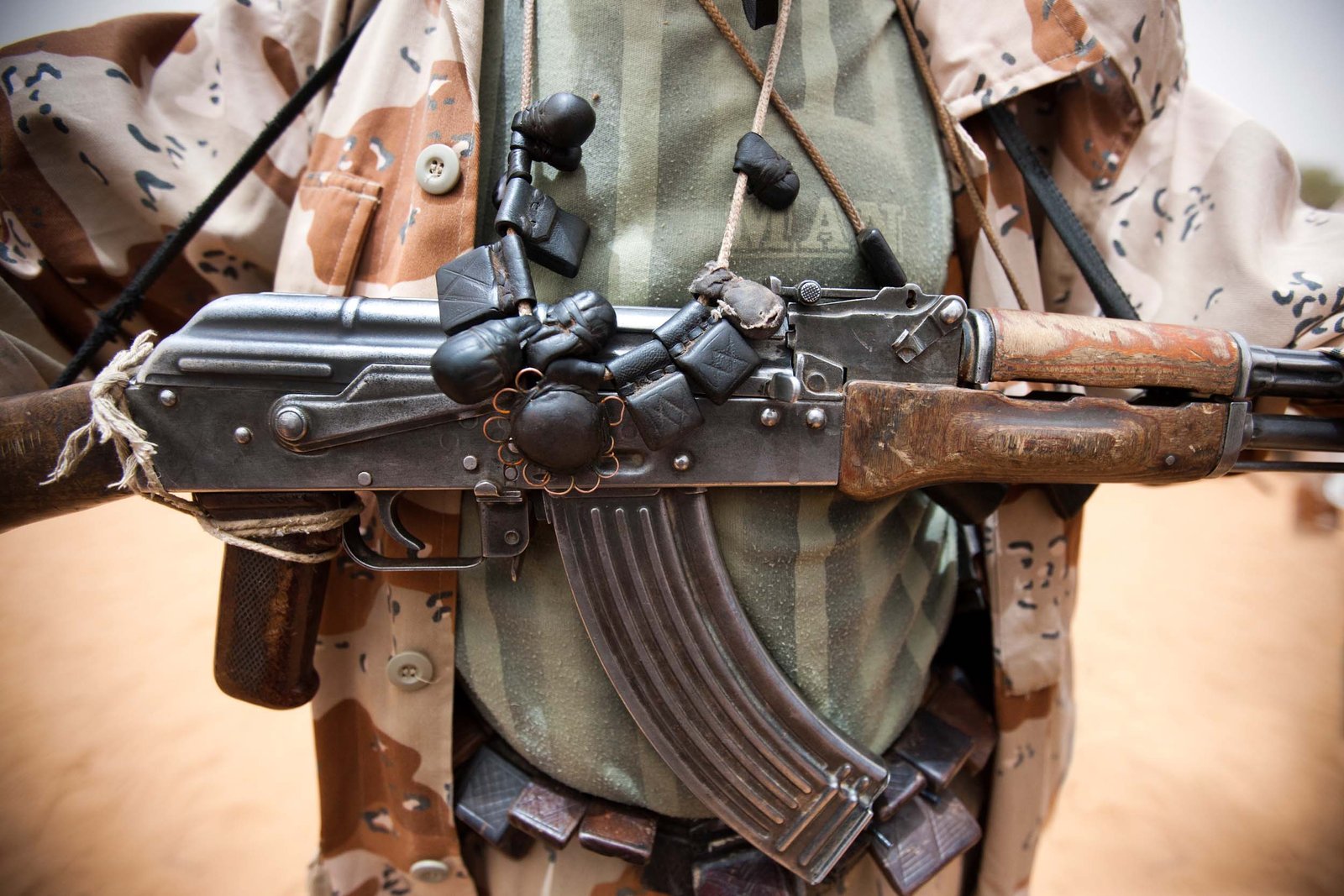
This report examines the systematic recruitment of children in Sudan’s civil war since 2023, driven by poverty, hunger, and ideological indoctrination. With over four million children displaced and 19 million out of school, the practice constitutes a war crime that threatens an entire generation and risks perpetuating cycles of violence for decades.
Since the outbreak of the civil war in Sudan in April 2023, scenes of destruction, displacement, and hunger have become all too familiar in towns and villages. Yet one of the darkest and most alarming aspects of the conflict is the conscription of children into battle. Despite official denials by the Sudanese Armed Forces, mounting documented evidence confirms that children are no longer merely collateral victims of the war, but have become part of its fuel recruited either directly by the army or through allied militias, particularly Islamist battalions with hardline ideological rhetoric.
In June 2023, the United Nations submitted a report to the Security Council revealing that 68 children, aged between nine and seventeen, had been recruited in Sudan during the early months of the war by the Sudanese Armed Forces themselves. While the figure may seem small compared to what is actually happening on the ground, it was enough to shake the army’s image — especially given the repeated statements of its commander, General Abdel Fattah al-Burhan, insisting that his forces are “committed to international law and do not use children in combat.” Just four months later, another UN report in October stated clearly that recruitment often occurs under severe economic and social pressure in areas under army control, such as Port Sudan and Al-Jazira, where families face tragic choices between extreme poverty and handing over their children to the frontlines.
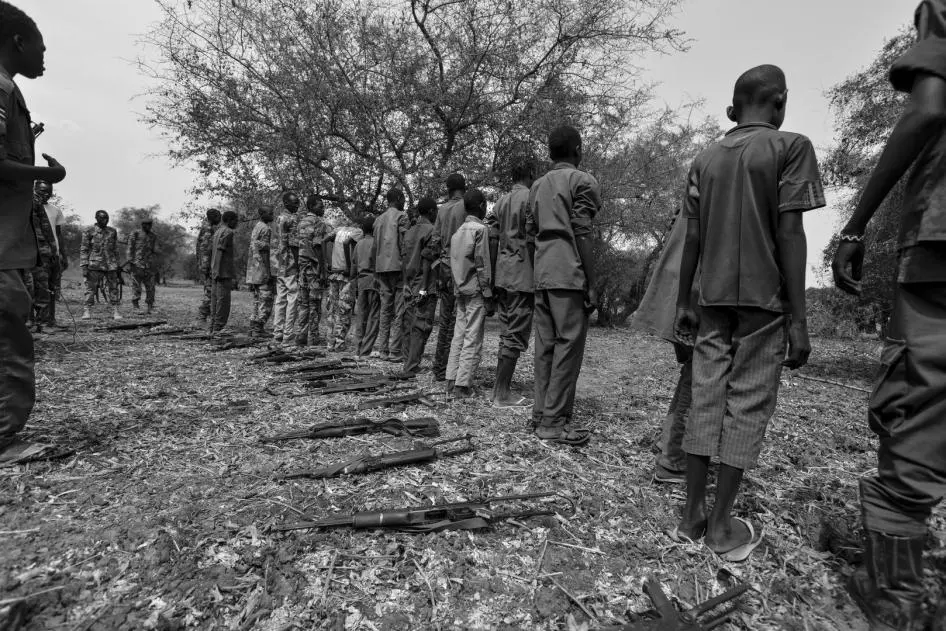
The testimonies have not been limited to international institutions. In August this year, activists on the platform “X” circulated a shocking account from child prisoners captured by the Rapid Support Forces. Among them was a boy who recounted that the army had forced entire families to surrender their sons, and that some minors were sent to training camps near Port Sudan before being pushed into combat lines. This documented testimony is consistent with reports from both local and international human rights groups, pointing to the widening scope of child recruitment.
The army is no longer the only party facing accusations. Since 2023, General al-Burhan has increasingly relied on allied militias to compensate for the shortage of infantry forces after the prolonged battles in Khartoum and Darfur drained the regular army.
A report by the Sudanese network Ayin in March revealed that around twenty militias are now fighting alongside the army, including long-standing Darfuri groups such as the Justice and Equality Movement, as well as tribal and Islamist groups like “Sudan Shield.” These militias have themselves been implicated in child recruitment. Human Rights Watch confirmed this in a report released in February 2025, documenting cases in Al-Jazira State where children were seen carrying light weapons or performing logistical tasks such as transporting ammunition or spying on enemy movements.
Sudanese sources indicate that the new government appointed by the army has developed a covert strategy for child recruitment that exploits deteriorating humanitarian conditions—particularly hunger and malnutrition—to lure children and their families. This strategy includes offering material incentives such as food and small financial aid to entice impoverished families into handing over their children to fight within the “Popular Resistance” or other army-affiliated forces. The ongoing food crisis—affecting more than 25 million people, including 3.2 million children under the age of five suffering from acute malnutrition—has also been weaponized as a pressure tool, forcing unaccompanied or separated children to join the army in exchange for food and protection.
Rights reports note that this strategy is carried out discreetly through training camps in areas such as Shendi and River Nile State, where children are recruited under the guise of “national training” or “defending the homeland.”
The African Centre for Justice and Peace Studies documented cases of hunger being used as a recruitment tool. One displaced person in El-Fasher reported that “the army offered families food in exchange for sending their sons to the camps,” reflecting the systematic exploitation of the humanitarian crisis to expand the armed forces at the expense of children’s rights.
The situation became even more alarming when the army commander issued a decree to incorporate these militias under the umbrella of the Sudanese Armed Forces—a move that raised concern among observers. Retired General Kamal Ismail warned in an interview at the time that “integrating militias under the Armed Forces Act could lead to internal conflicts, given the divergent goals of these groups, including the Islamist Al-Baraa Bin Malik Battalion.”
The name of this battalion in particular has caused deep concern among analysts. The Al-Baraa Bin Malik Battalion, historically linked to the Popular Defense Forces during Omar al-Bashir’s rule, has resurfaced as a cornerstone of the Islamist alliance supporting the army.
A report by Ayin in June 2024 estimated the battalion’s strength at around twenty thousand fighters equipped with advanced weaponry, playing a pivotal role in the battles for Khartoum. Yet behind these numbers lies a rigid ideology that has made the group a source of domestic and international alarm alike.
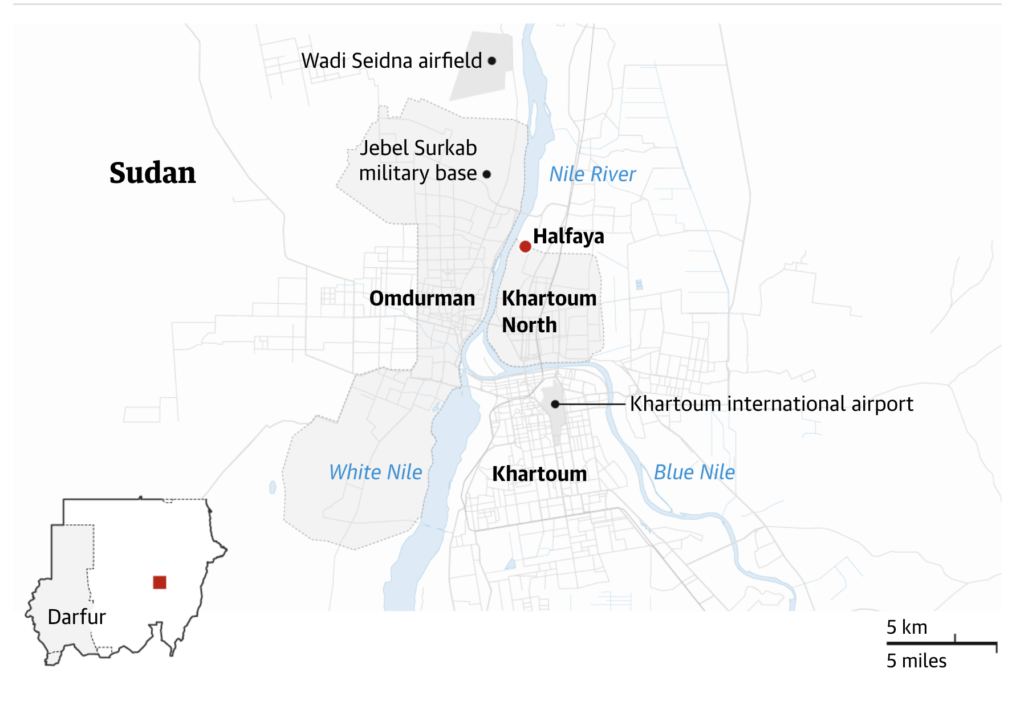
Numerous human rights organizations have documented grave violations committed by the battalion, including summary executions of civilians in the Al-Halfaya neighborhood of Khartoum in September 2024, on the pretext that they were collaborating with the Rapid Support Forces.
The British newspaper The Guardian published an investigation in December of the same year indicating that the battalion did not stop at targeting adult men, but also recruited minors or exploited them in non-combat roles.
Meanwhile, the Sudanese “Information Verification Center” documented in January of this year a horrific incident in which members of the battalion, alongside army units, tied a rope around a man’s mouth and pushed him off the Hanatoub Bridge in Al-Jazira—a chilling scene that epitomizes the group’s brutality and blatant violation of international law.
But what are the consequences of this phenomenon for Sudan’s future? The figures provided by international organizations are alarming.
UNICEF reported that grave violations against children in Sudan increased fivefold between 2022 and 2023, encompassing killings, maiming, and sexual violence. More than four million children have been displaced from their homes, while around 90% of schools have closed, leaving 19 million children out of classrooms. Many of these children suffer from deep psychological trauma as a result of their involvement in combat and exposure to scenes of killing and torture.
The causes of this phenomenon are multiple. Poverty and hunger are the primary drivers, as many families see no option but to “sell” their children to militias in exchange for money or food. Religious and tribal indoctrination only makes matters worse: Islamist battalions like Al-Baraa Bin Malik exploit hardline religious rhetoric to convince families that their children are fighting “in the path of God.” Finally, there is the purely military factor: the shortage of infantry in both the army and allied militias makes children an easy means of filling the gap.
In the end, child recruitment in Sudan can only be regarded as a fully-fledged war crime. Despite official denials, evidence and testimonies leave no doubt about the involvement of the army and its allies. The danger extends beyond current violations—it threatens the future of an entire generation deprived of education and normal life, risking the perpetuation of a cycle of violence for decades to come.
The options available to the international community appear limited but essential: imposing sanctions on the militias and battalions involved, supporting rehabilitation programs for child soldiers, and strengthening oversight of the warring parties.
Without such measures, Sudan may find itself known worldwide as a country synonymous with the phenomenon of “child soldiers,” in a tragic repetition of the experiences of other African nations such as Sierra Leone and Liberia.