
Abstract
This paper presents the development and implementation of the Cultural Gems Linked Open Data (LOD) framework, designed to map, integrate, and disseminate information on tangible and intangible cultural heritage across European cities. The initiative, led by the European Commission’s Joint Research Centre (JRC), adopts a community-driven mapping approach that consolidates over 130,000 cultural sites and activities from more than 300 cities into a unified semantic knowledge base.
The proposed ontology builds on established vocabularies, including ArCo for cultural heritage modeling, and reuses Ontology Design Patterns (ODPs) to ensure semantic consistency and interoperability. Data processing workflows integrate ETL pipelines and semantic linking tools such as LIMES to interconnect the dataset with external knowledge graphs, notably DBpedia and GeoNames. The resulting dataset comprises approximately 2.9 million RDF triples, available in Turtle and RDF/XML formats under a CC BY 4.0 license.
By aligning with the FAIR principles, the Cultural Gems LOD framework provides an open, scalable, and interoperable infrastructure for cultural data integration. Its applications range from interactive cultural mapping and heritage-based recommendation systems to policy-oriented cultural analytics. This work demonstrates how LOD methodologies can enhance cultural sustainability, foster participatory engagement, and reinforce a shared European cultural identity in the digital age.
1. Introduction
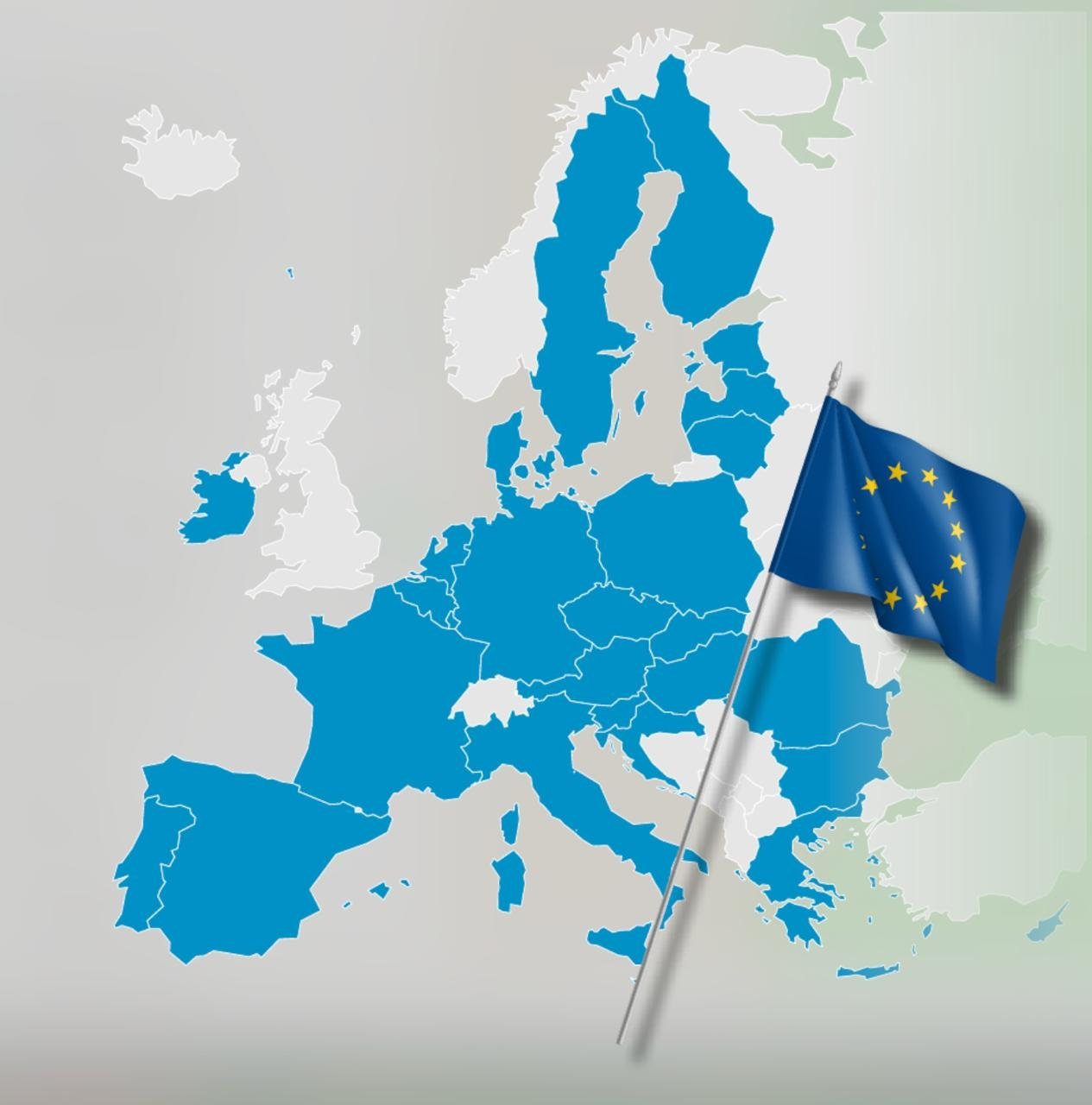
The European Commission’s Joint Research Centre (JRC) has developed Cultural Gems, a collaborative digital platform designed to map tangible and intangible cultural heritage across European cities. The platform integrates over 130,000 cultural locations and activities from more than 300 cities, covering a broad range of cultural expressions — from museums and theatres to festivals, religious heritage, and community events.
By adopting a Linked Open Data (LOD) approach, Cultural Gems promotes the discoverability, accessibility, interoperability, and reusability of cultural data in accordance with the FAIR principles. This initiative supports the creation of a unified digital cultural space, enhancing citizens’ awareness of shared European heritage while providing a robust framework for policy-making, research, and community participation.
2. Research Objectives
The main objectives of this work are to:
- Develop an ontology capable of representing cultural diversity, heritage categories, and activities in European cities.
- Ensure semantic interoperability of cultural datasets through the application of LOD standards.
- Provide a technical foundation for the development of cultural sector tools, such as participatory mapping applications and recommendation systems.
3. Methodology
Requirement Analysis
The ontology design was informed by the platform’s user interface structure, classification schemes (e.g., OpenStreetMap tags), and the “concentric circles model” of cultural value.
Ontology Design Patterns (ODPs)
Re-usable Ontology Design Patterns (ODPs) from OPLa were applied to avoid designing concepts from scratch, ensuring both efficiency and semantic clarity.
Integration of ArCo Ontology
Core classes such as TangibleCulturalProperty and IntangibleCulturalProperty were imported from ArCo, the Italian cultural heritage ontology, via owl:imports, forming the hierarchical backbone of the model.
Tools and Data Linking
- Ontology editing was carried out in Protégé.
- Data transformation and enrichment used Python-based ETL pipelines.
- The LIMES framework was applied to link cultural entities with external datasets such as DBpedia and GeoNames via owl:sameAs relations.
4. Ontology Structure and Components
The ontology covers multiple cultural categories, including:
- EUCultureFromHome (online cultural activities)
- Cultural venues: cinemas, museums, galleries, historical sites, religious heritage sites, music venues, festivals, and community events.
Spatial and temporal representation is supported by a-loc:LocationType and a-loc:TimeIndexedTypeLocation modules from ArCo.
5. Data Availability
The dataset generated through the Cultural Gems Linked Open Data initiative comprises approximately 2.9 million RDF triples, representing a rich graph of interconnected cultural entities, activities, and heritage sites across multiple European cities. The data is stored and distributed in both Turtle (.ttl) and RDF/XML serialization formats, ensuring compatibility with a broad range of Semantic Web and Linked Data tools.
To enhance discoverability and semantic integration, the dataset is interlinked with well-established external knowledge bases, most notably DBpedia and GeoNames. These linkages enable the enrichment of local cultural data with global contextual knowledge, facilitating cross-domain queries, multi-lingual interoperability, and the ability to federate results from multiple LOD sources.
The dataset is made openly accessible through the Joint Research Centre (JRC) data repository as well as the European Data Portal, providing persistent, standards-compliant endpoints for retrieval and reuse. Access is governed by the Creative Commons Attribution 4.0 International (CC BY 4.0) license, which permits unrestricted use, distribution, and adaptation of the data, provided proper attribution is given to the original source.
This open-access approach not only aligns with the FAIR principles (Findable, Accessible, Interoperable, Reusable) but also ensures that researchers, policymakers, urban planners, and cultural heritage practitioners can freely integrate the dataset into their workflows. Potential applications include developing interactive cultural maps, creating heritage-based recommendation systems, conducting comparative cultural analytics, and supporting evidence-based policymaking in the cultural and creative sectors.
6. Applications and Impact
The ontology and dataset enable the development of:
- Interactive cultural maps.
- Local storytelling and heritage interpretation tools.
- Policy support systems for cultural planning and heritage management.
These applications contribute to strengthening a shared European cultural identity, empowering local communities, and promoting cross-city cultural exchange.
7. Conclusion
The Cultural Gems Linked Open Data initiative represents a significant contribution to the evolving landscape of European digital heritage, combining technical innovation with cultural preservation. By implementing Linked Open Data (LOD) methodologies and adhering to the FAIR principles—ensuring that data is Findable, Accessible, Interoperable, and Reusable—the project establishes a scalable, semantically enriched, and interoperable cultural knowledge base.
This framework serves multiple strategic purposes. Technically, it provides a robust infrastructure for data integration, semantic enrichment, and cross-platform interoperability, enabling cities, institutions, and communities to share cultural information within a unified ecosystem. Culturally, it empowers diverse stakeholders—including policymakers, cultural institutions, researchers, and citizens—to participate in co-creating, curating, and enriching the representation of Europe’s tangible and intangible heritage.
Beyond its immediate value in supporting cultural sustainability and evidence-based policy innovation, the initiative fosters a sense of shared European identity by making local cultural narratives visible in a broader transnational context. By bridging grassroots community contributions with institutional cultural repositories, Cultural Gems creates a participatory digital environment where culture is not only documented but also actively lived and shaped.
In doing so, the project positions itself as both a technical enabler and a catalyst for cultural engagement, setting a precedent for how open, linked, and semantically structured data can be leveraged to strengthen the resilience, inclusivity, and sustainability of Europe’s urban cultural ecosystems.